
As the old saying goes, a picture is worth a thousand words. To help you have a better idea of what 3DNA/DSSR is about, we’ve collected the following pictures; they serve to demonstrate selected features from 3DNA/DSSR’s versatile functionality.
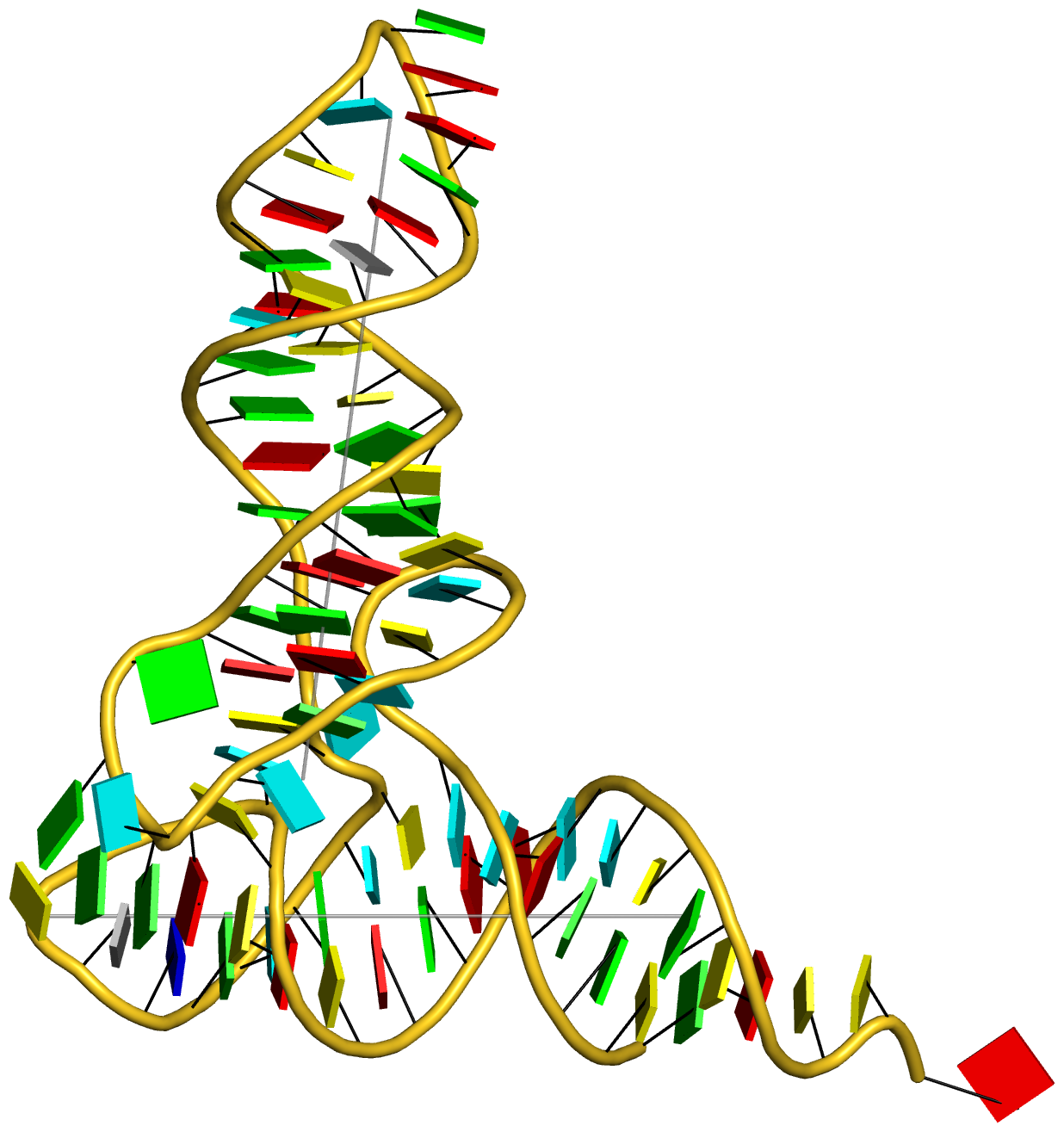
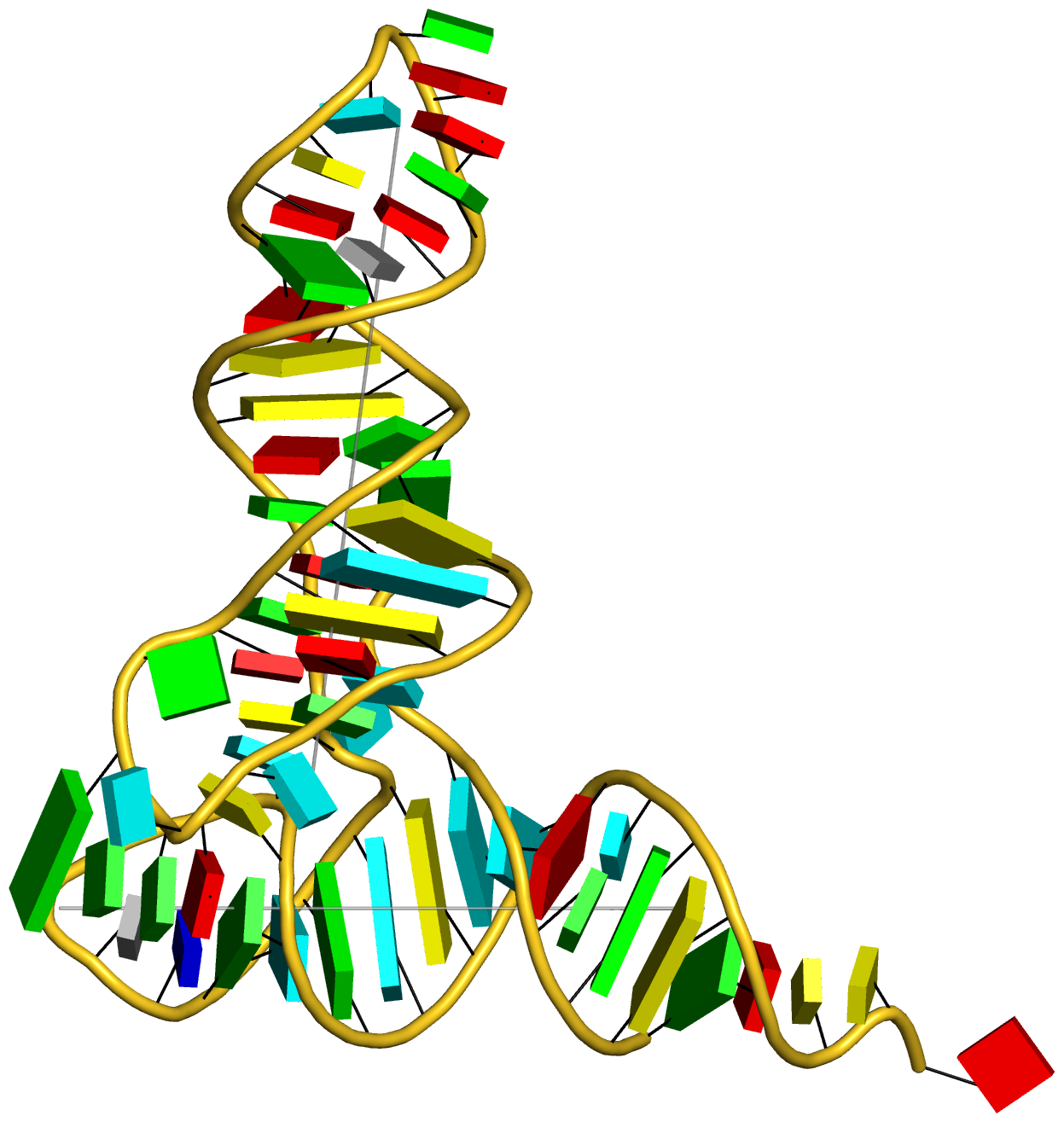
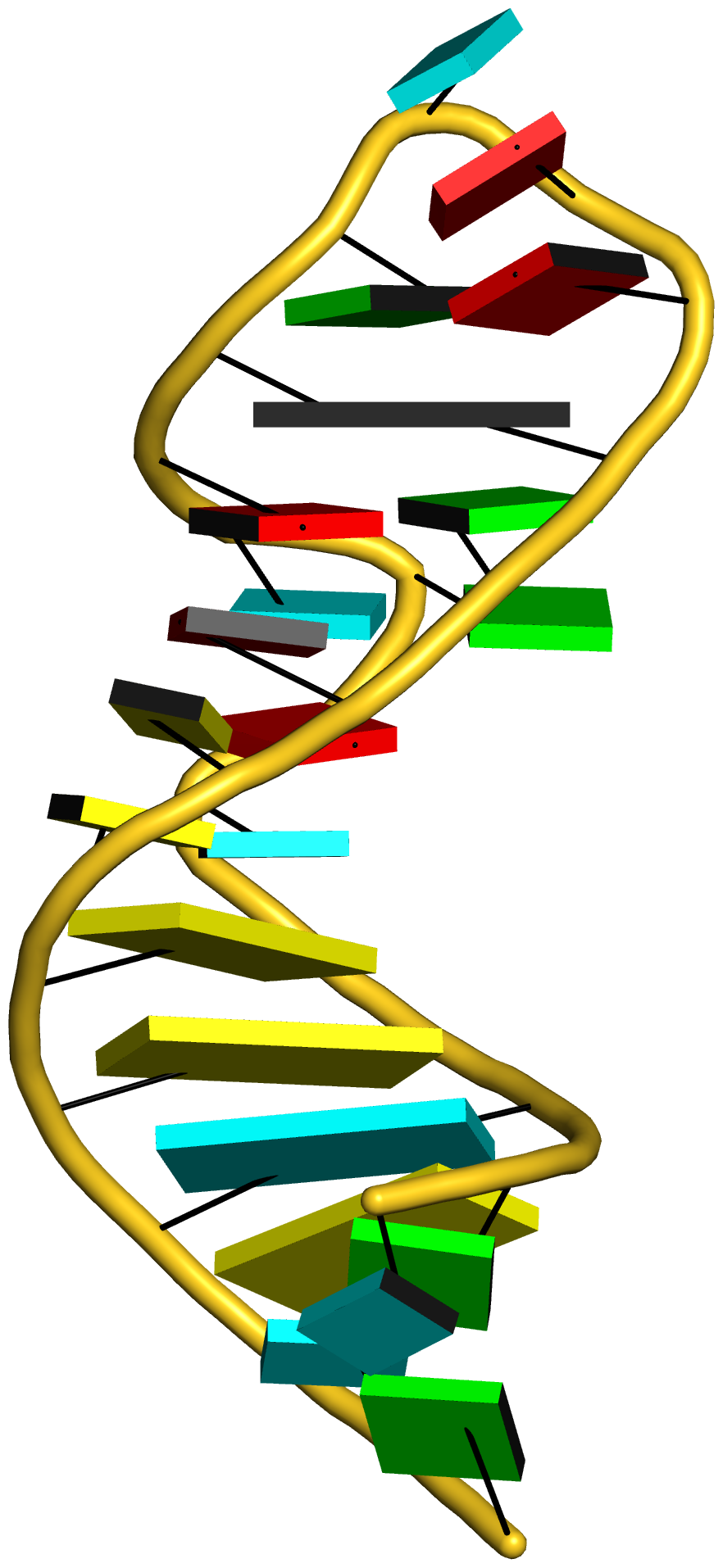
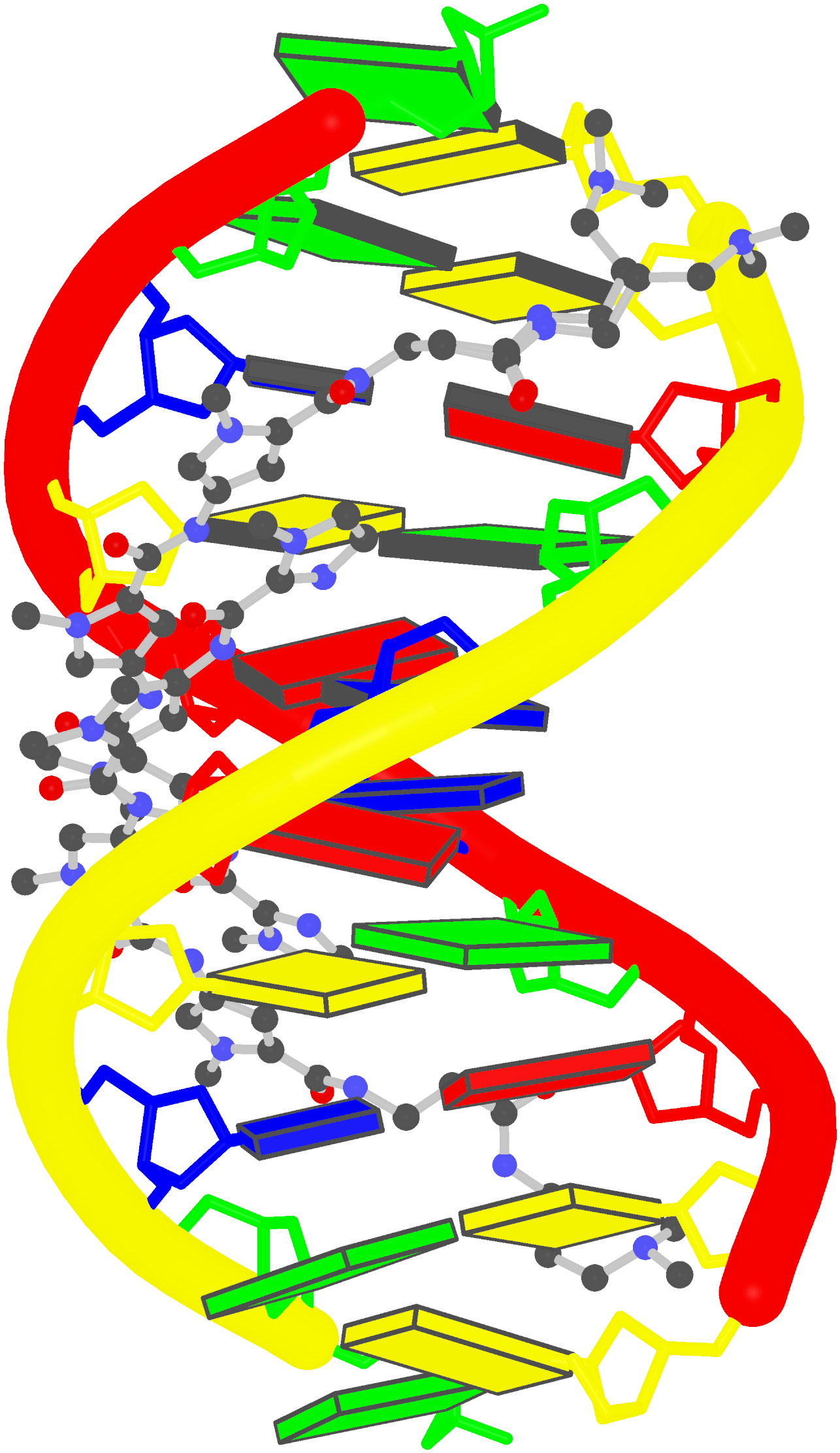
Cartoon-block schematic representations generated with DSSR and PyMOL
 |
 |
 |
 |
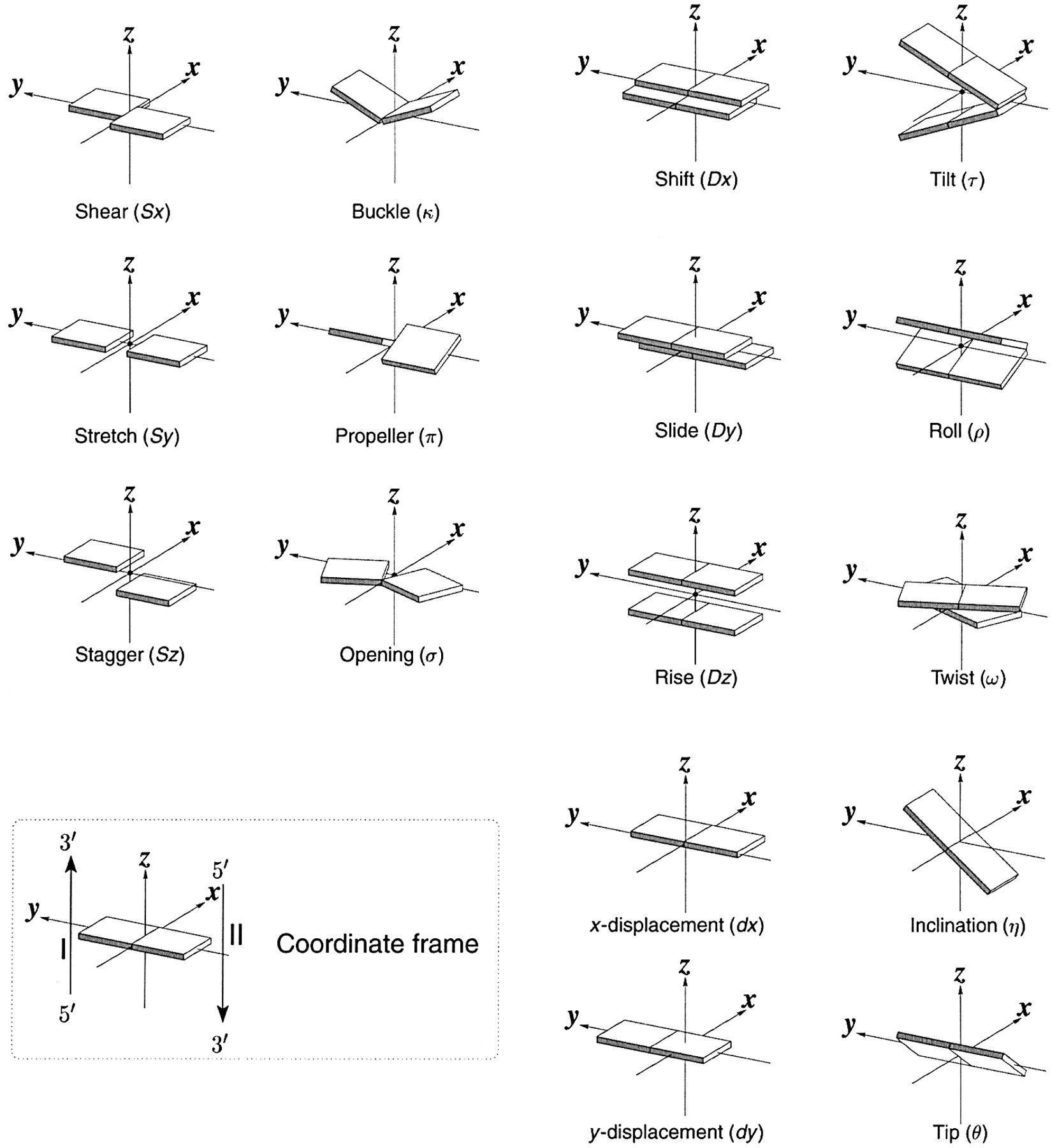
Schematic diagram of base-pair parameters
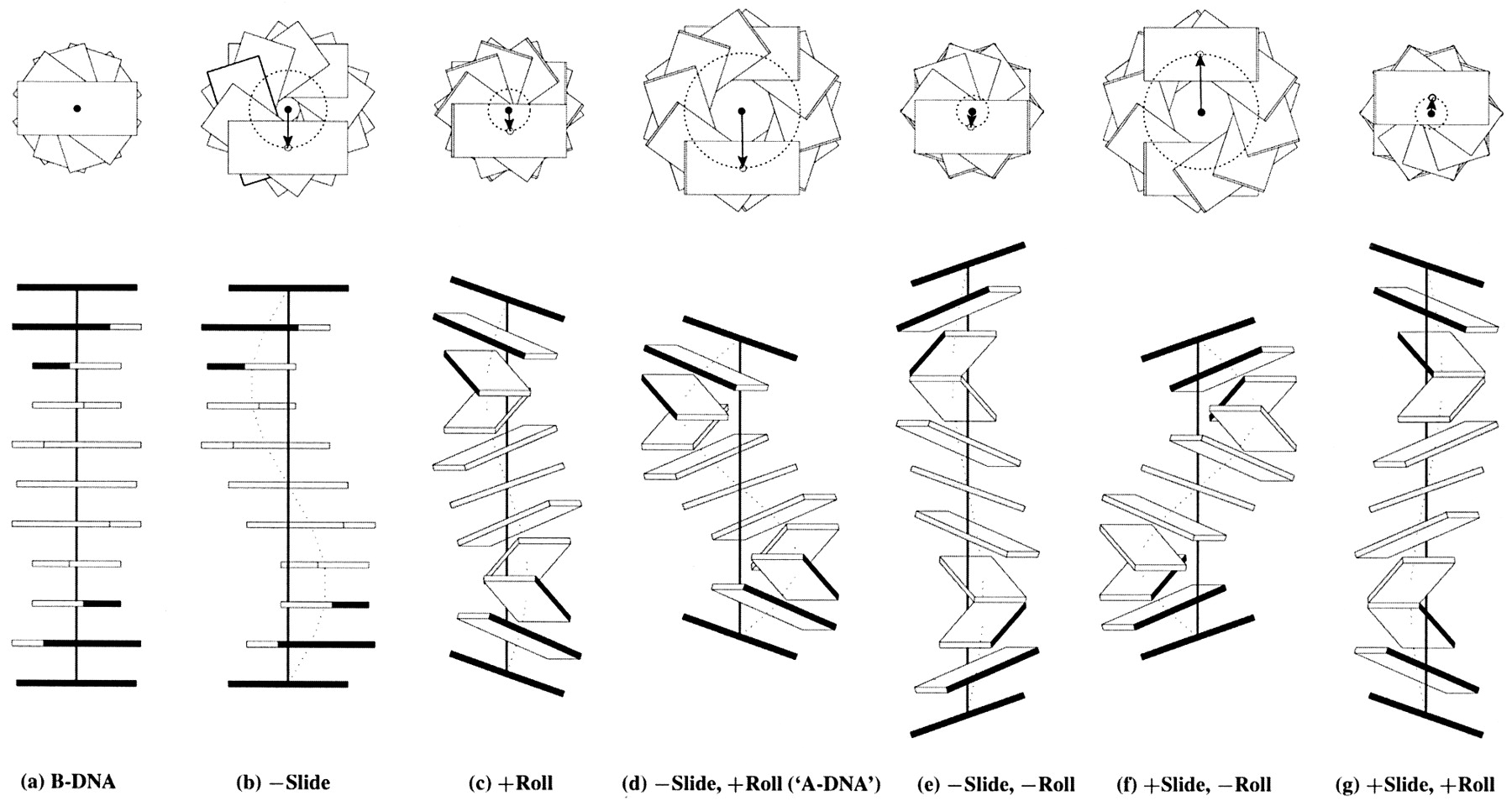
Influence of Slide and Roll on DNA helical conformation
Roll-introduced DNA bending

Global bending of DNA associated with selective B → A conformational transformation

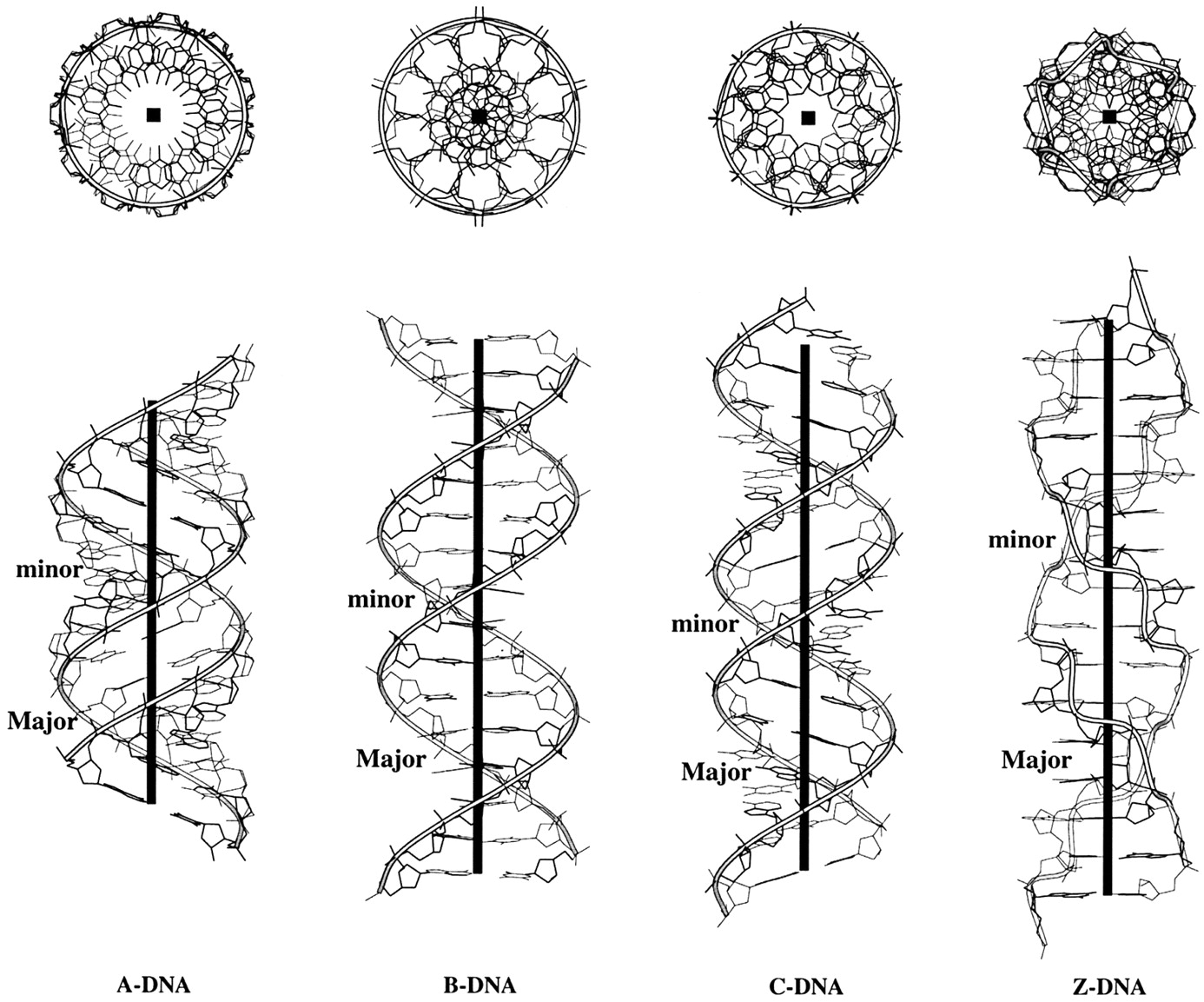
Canonical fiber models of A-, B-, C- and Z-DNA
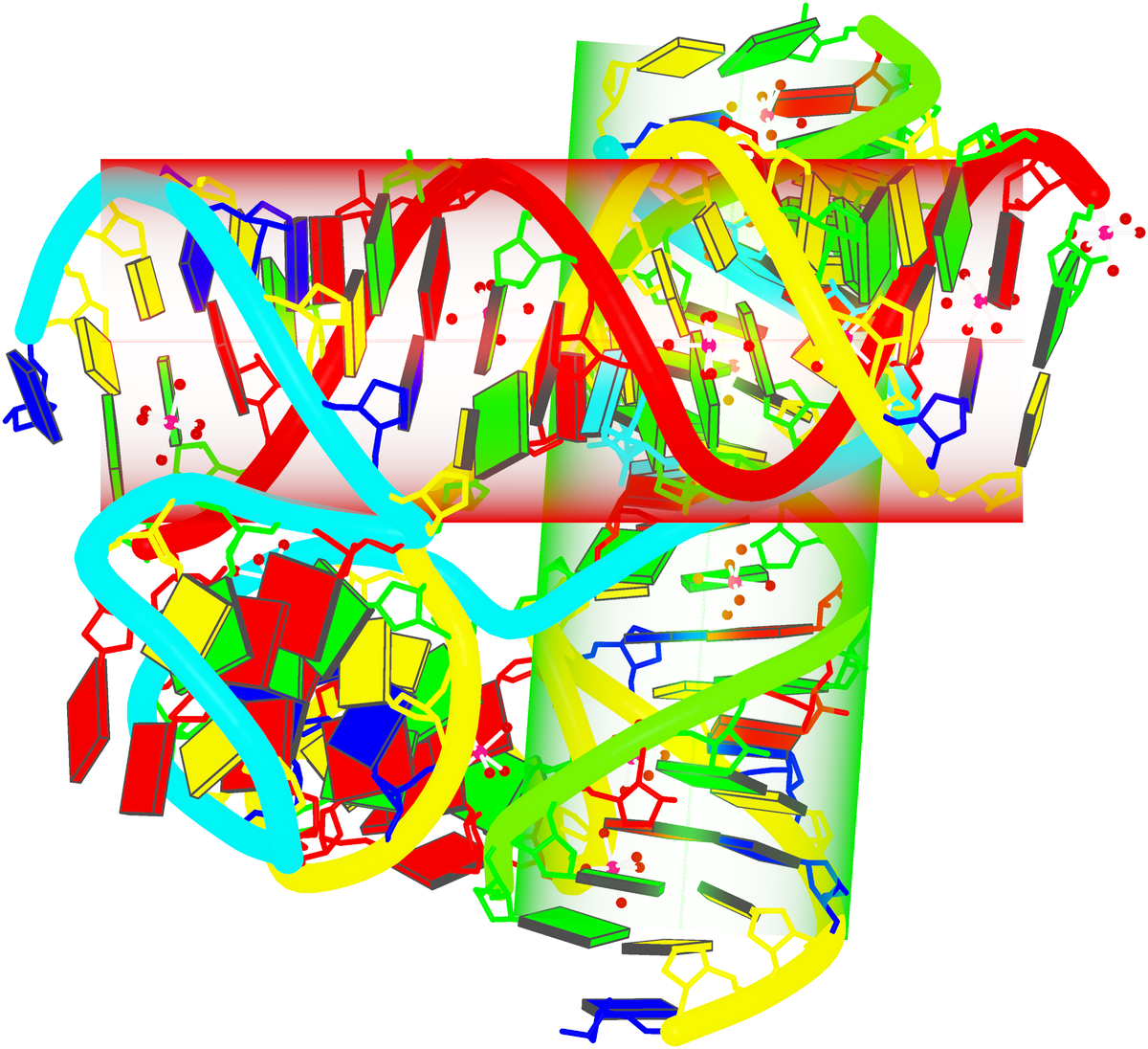
3DNA-generated view of a four-way DNA–RNA junction (1egk)
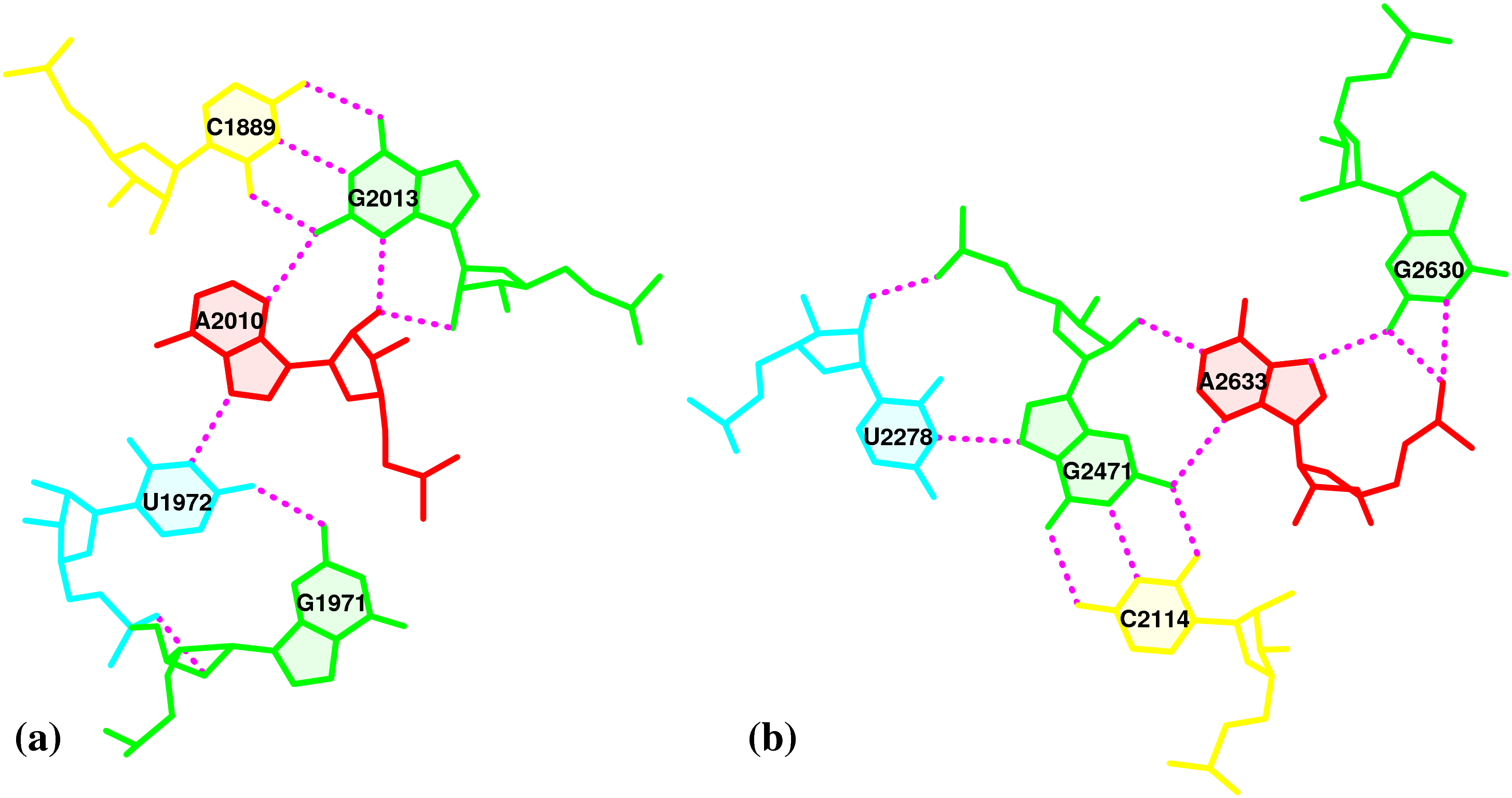
3DNA-detected pentaplets in the large ribosomal subunit (1jj2)
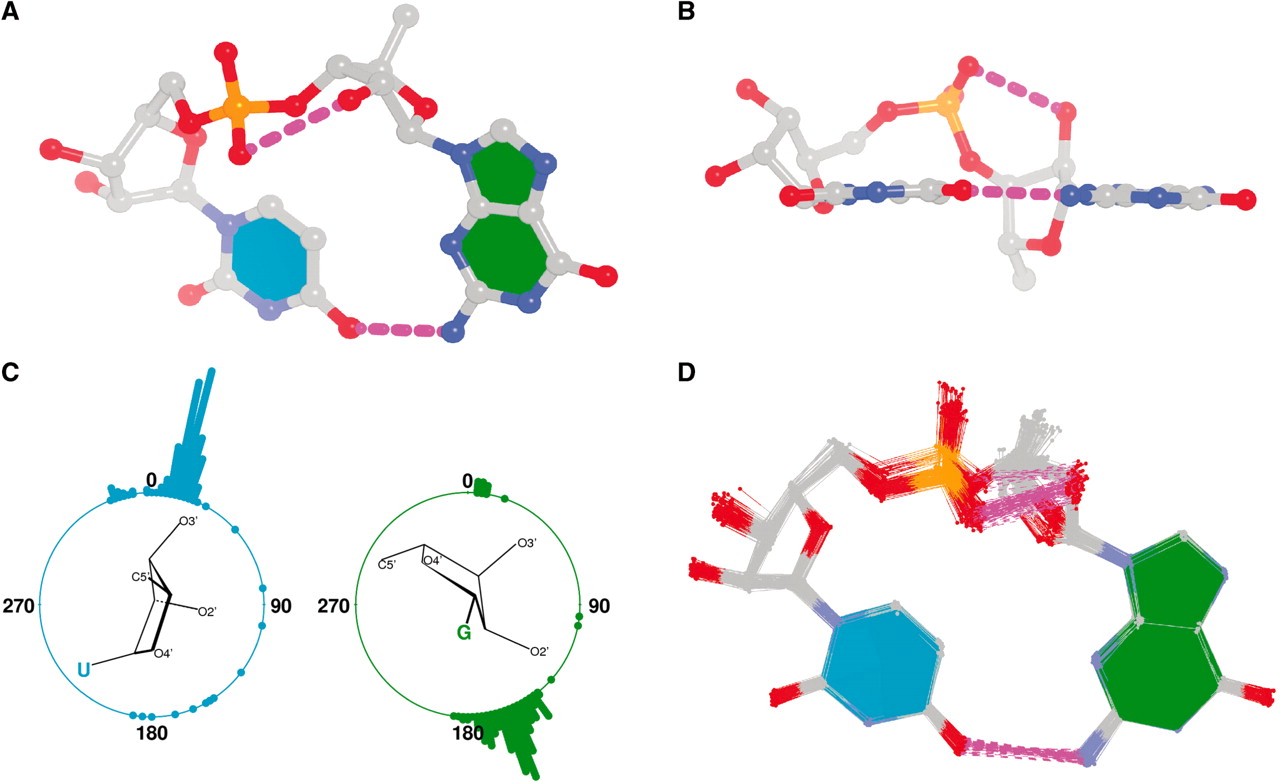
3DNA enabled the discovery of the O2′(G)−O2P(U) H-bond which stabilizes the GpU dinucleotide platform
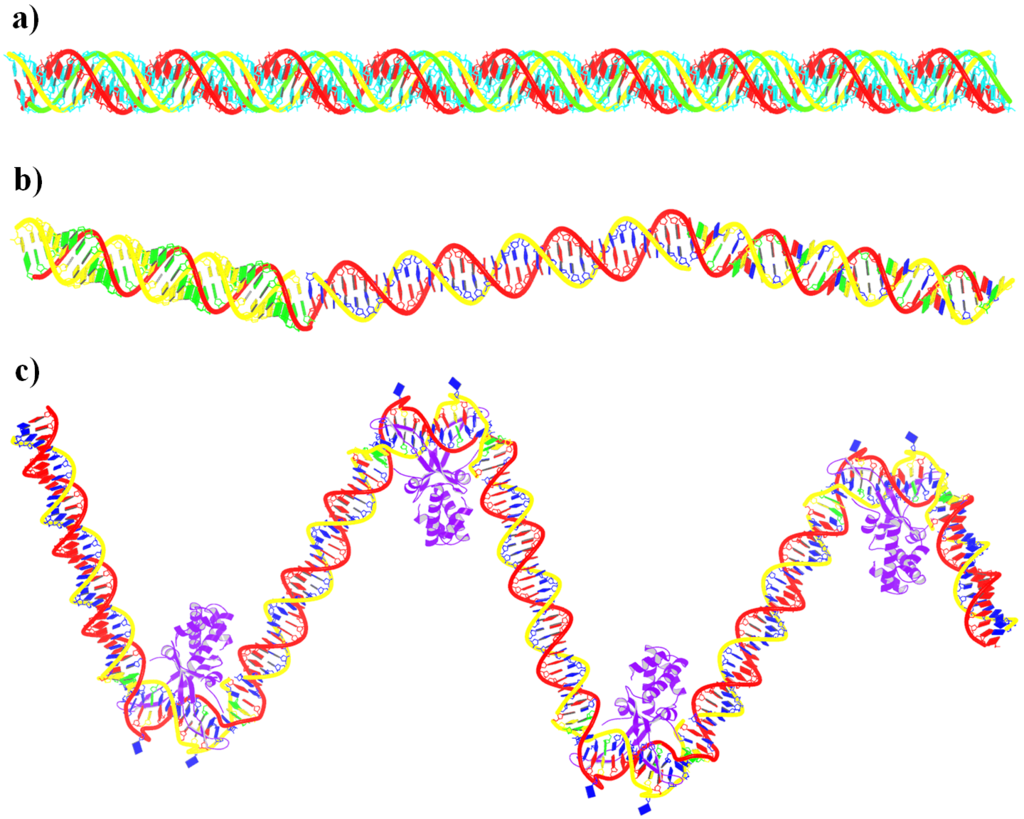
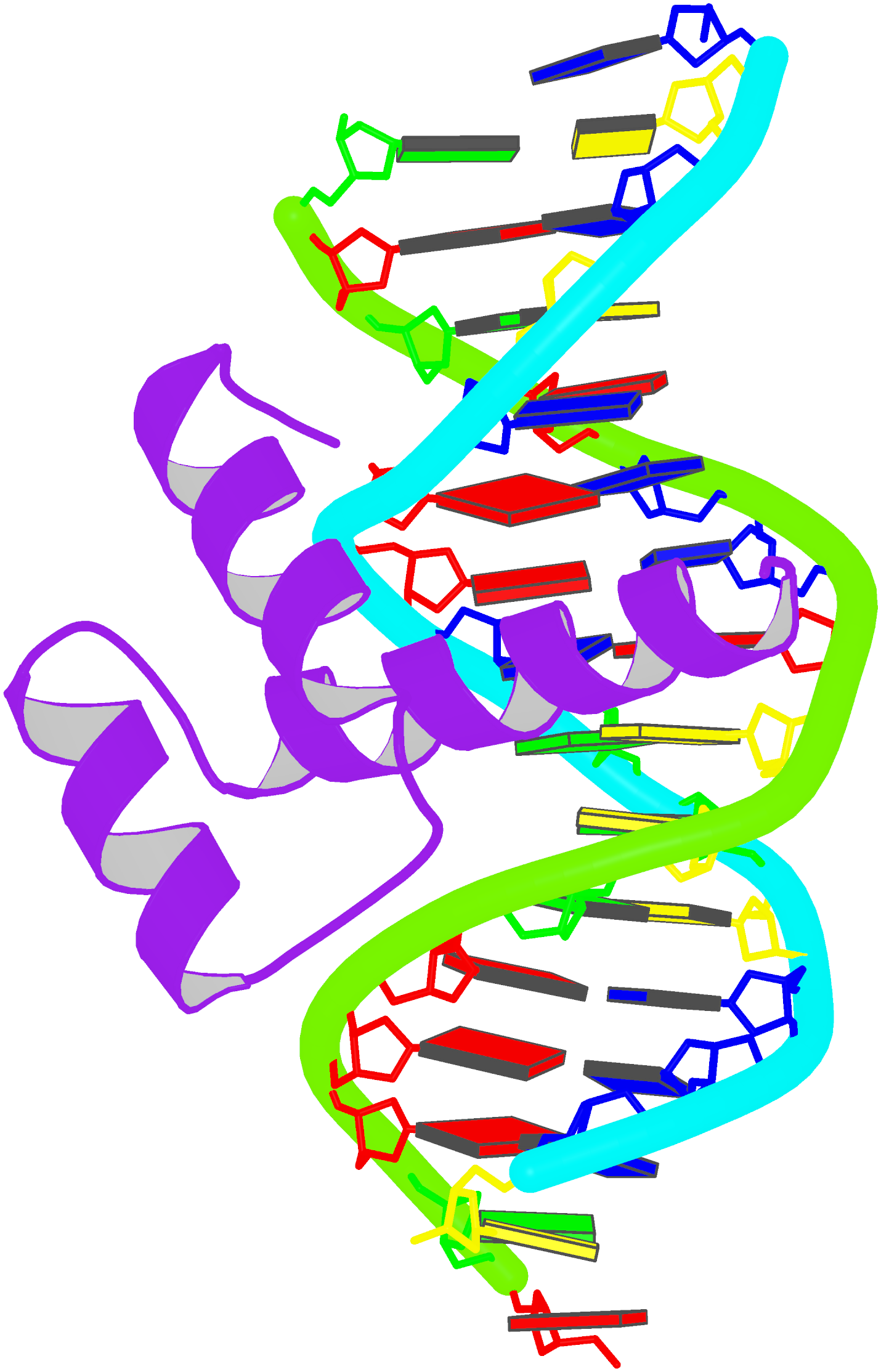
Nucleic-acid-containing structures generated with w3DNA
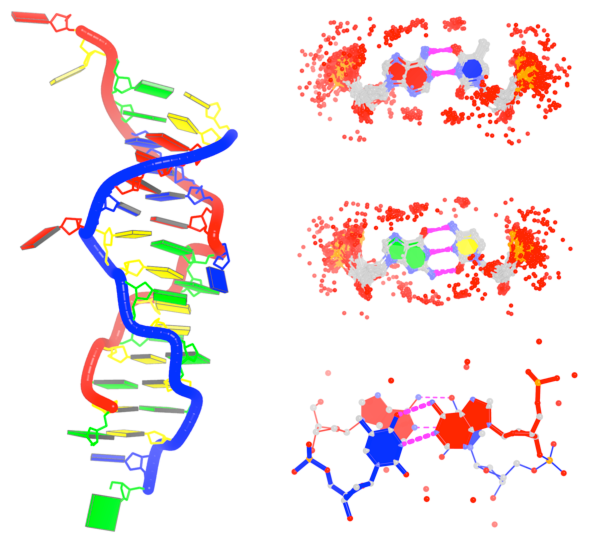
Analysis of DNA with a B-Z junction (2acj, left) and detection of hydration patterns (right)
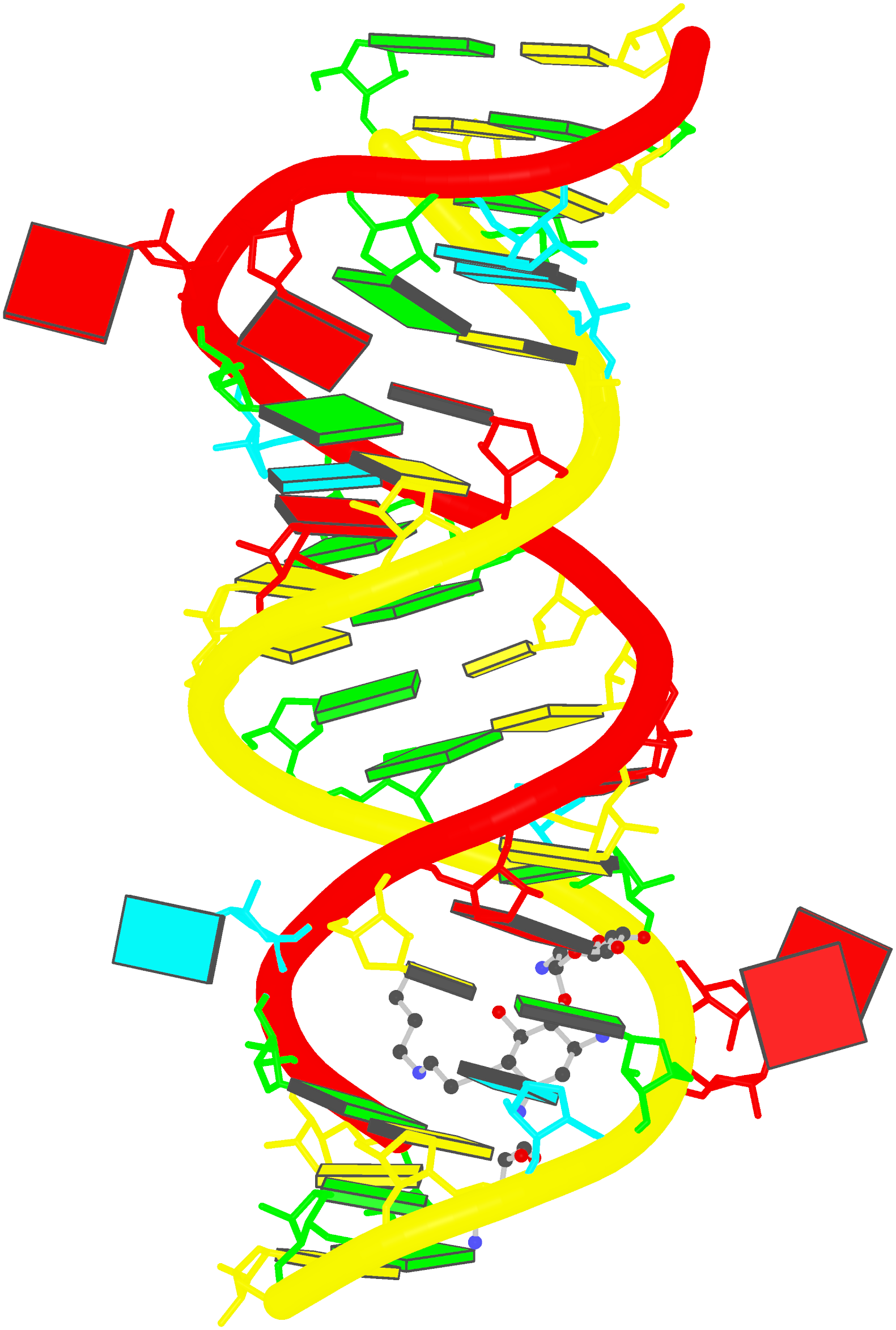
Schematics images auto-generated via blocview
| 2f4u | 408d | 9ant |
 |
 |
 |
